Unopened Luxury: How Cosmetic Packaging Becomes a Brand's Silent Storyteller
Amidst the dual waves of Instagram aesthetics and the revival of physical experience, cosmetic packaging has moved from the background to the forefront. It is no longer merely a vessel for creams or liquids but a multidimensional brand touchpoint—the first texture felt by a consumer's fingertips, a silent ornament on a vanity, and a physical manifesto of brand values in three-dimensional space. For Unalilia, the design of every foundation bottle, lipstick case, or cream jar is an exercise in precise balance among sustainable responsibility, sensory pleasure, and commercial effectiveness.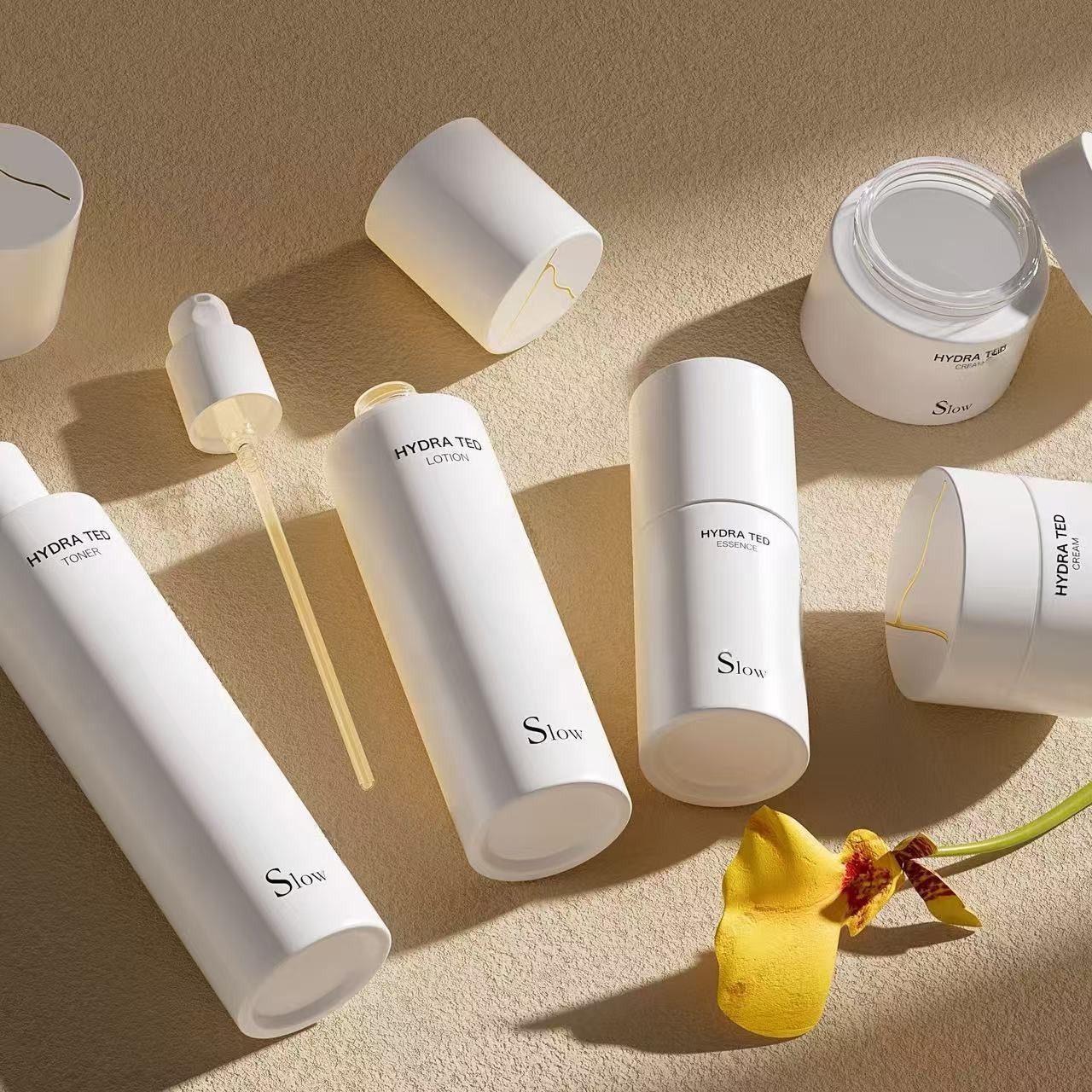


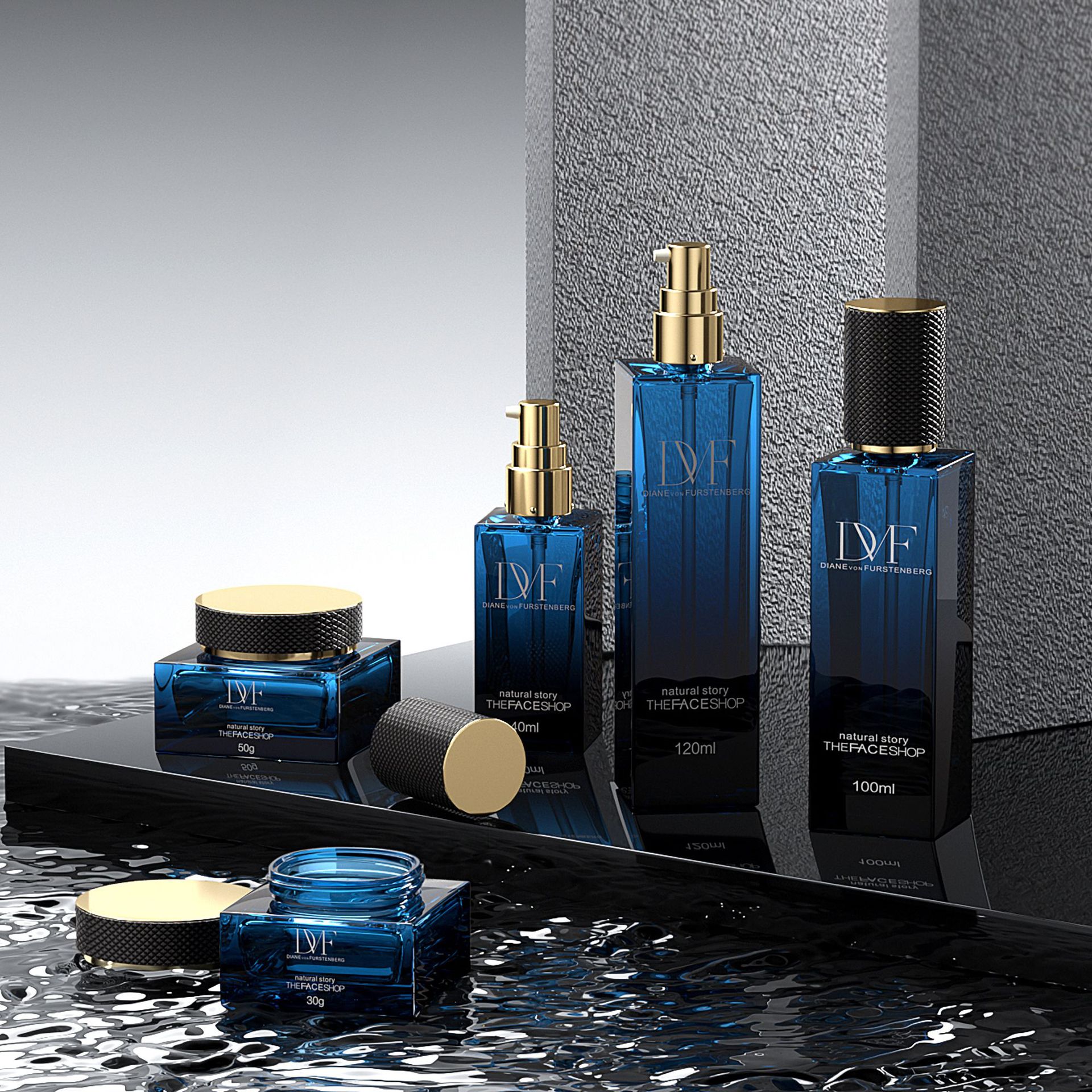
01 The Eternal Paradox of Cosmetic Packaging: Waste vs. Treasure
A fundamental contradiction has long existed in the cosmetic packaging industry: it is expected to play the dual roles of both a single-use consumable and a treasure worth collecting. This split is further amplified between fast-paced consumer culture and the urgent need for sustainability.
The Heavy Environmental Cost: The global beauty industry produces over 120 billion units of packaging annually, most of which are complex composites that are difficult to recycle and end up in landfills or oceans. A lipstick's life cycle may last only a few months, but the plastic or metal components of its packaging can persist in the environment for centuries. This model of "instant use, permanent pollution" is being strongly questioned by consumers in the American and European markets, particularly Gen Z and Millennials.
The Complex Emotional Attachment: Simultaneously, consumers form profound emotional connections with cosmetic packaging. A hefty glass cream jar symbolizes the ritual of self-care; an exquisitely designed lipstick tube is a portable accessory of confidence. Packaging is the physical embodiment of brand magic, a tangible carrier of dreams. This emotional value means that pure minimalism or functionalist design often fails to satisfy the market's deeper desires.
To resolve this paradox requires a full-chain reimagination—from materials science to consumer psychology—creating packaging that can both evoke emotional resonance and gracefully return to the earth at the end of its life.
02 Material Alchemy: When Sustainability Becomes the New Standard of Luxury
The competition in next-generation, high-end cosmetic packaging is, at its core, a competition in material innovation. The sense of luxury no longer depends on heavy gilding or ornate decoration but stems from profound consideration and masterful craftsmanship applied to a material's origin and its future.
The Eternal Evolution of Glass: As a classic choice for luxury beauty, glass is undergoing a green revolution. We utilize high-percentage Post-Consumer Recycled (PCR) glass, refined to achieve crystal clarity or unique muted tones. Innovative lightweighting technology maintains the visual appearance of a substantial, premium feel while significantly reducing transportation carbon footprint. For surface treatment, we explore permanent coloring processes without chemical coatings and laser engraving techniques to achieve unparalleled details.
The Sensory Revolution of PCR Plastic: Post-Consumer Recycled plastic is shedding its label as a "cheap alternative." Through proprietary purification and polymerization technologies, we bring PCR plastic to cosmetic-grade safety standards and endow it with exceptional clarity, color purity, and tactile feel. From matte to pearlescent, flexible to rigid, the possibilities of PCR plastic are being vastly expanded, making it a material of choice for cream jars, squeeze tubes, and makeup tools.
The Rational and Sensual in Metal: Aluminum is highly favored for its infinite recyclability. We focus on designing easily separable components (like pumps and bottles) and use water-based coatings for decoration. More cutting-edge exploration includes anodized coloring processes that require no coating, creating futuristic metallic lusters while ensuring the material is 100% recyclable.
Pushing the Boundaries of Bio-Based Materials: From polyethylene derived from sugarcane to molded mycelium inserts, bio-based materials offer exciting options for limited editions or specific categories. We collaborate with materials scientists to test the barrier properties of these new materials in protecting highly active cosmetic ingredients, pushing the boundaries of industry standards.
03 The Precise Grammar of Design: Function, Aesthetics, and the Unboxing Ritual
Cosmetic packaging design is a precise language; every curve, the sound of every closure, and the reflection of every ray of light communicate a subtext to the consumer.
Guardian of Formula Efficacy: The primary duty of packaging is to protect precious formulas. For ingredients sensitive to light and oxygen (like Vitamin C, Retinol), we design fully opaque or light-blocking containers and employ airless pumps or bag-in-bottle systems to ensure contents maintain maximum potency throughout their use cycle. The dose per press of a pump is calculated based on fluid dynamics to avoid waste and guarantee an optimal user experience.
Architect of Sensory Experience: From the satisfying "click" of a magnetic lipstick cap to the perfectly calibrated resistance when opening a cream jar, these micro-interactions form a brand's sensory fingerprint. We embed these intangible emotional touchpoints into designs through precision engineering and user testing. Custom bottle curves must be not only visually beautiful but also ergonomic, providing a secure grip even in hands slick with skincare products.
The Aesthetic Solution of Refill Systems: True sustainability lies in reuse. We design signature permanent outer shells (like ceramic bottles, exquisite glass jars) for luxury brands, paired with minimalist, fully recyclable or compostable refill inserts. The refill process itself is designed as an elegant ritual—tool-free, mess-free, and intuitively pleasurable—transforming eco-friendly action from a chore into a brand experience that fosters belonging.
04 Case Study: The Comprehensive Rebranding of a Clean Beauty Brand
Our collaboration with a US skincare brand championing "clinical-grade purity" fully illustrates the commercial application of the above philosophy.
The brand boasted top-tier formulation science, but its packaging was generic, medical-style white bottles and jars, severely misaligned with its "luxury science" positioning and heavily reliant on non-recyclable composite materials.
Our rebranding solution focused on fusing "laboratory precision" with "spa-like experience":
-
A Unified Material Language: The main body of the full product line's packaging uses borosilicate glass of the same quality as laboratory beakers, paired with PCR aluminum pumps and caps. The glass's high stability perfectly protects active ingredients, and its transparent quality show product texture.
-
Function-Driven Minimalist Aesthetics: All paper labels were removed. Product names, ingredients, and instructions are laser-engraved in minute detail on the bottle base, creating an instrument-like precision. Different product lines are distinguished by colors generated through anodizing the caps (e.g., amber for Vitamin C, ice blue for Hyaluronic Acid) and the number of embossed lines on the bottle.
-
Innovative Dosage & Preservation System: For their flagship antioxidant serum, we developed a dual-chamber vacuum bottle. The upper chamber holds lyophilized powder, the lower chamber holds the serum essence. A twist activates and mixes them upon first use, ensuring the ingredients are used at their freshest. A transparent window on the bottle allows users to see the remaining quantity.
-
A Closed-Loop "Refill for Reward" Program: The brand launched a membership program where consumers can earn points for returning empty bottles. Returned packaging is thoroughly cleaned and re-enters a safe and reliable refilling process to create member-exclusive travel sizes or is donated to partner charities, forming a brand-warm, closed-loop system.
After the new packaging launch, the brand's average order value increased by 28%, and user-generated "vanity display" content on social media grew by nearly 300%. Most importantly, the first-year return-for-refill rate for packaging reached 150% of the target, far exceeding expectations and proving that when design is compelling enough, consumers actively respond to a brand's sustainable initiatives.
The ultimate mission of cosmetic packaging is to leave a story about beauty, quality, and responsibility lingering in the consumer's memory, long after the product is used up and the container is recycled or cherished. It is a complex dialogue among material, form, and emotion—a brand's most persuasive spokesperson in the physical world.
The future winners will be brands that can weave the rigor of sustainability, the beauty of design, and the intelligence of function into a seamless experience. In this sense, the value of a piece of cosmetic packaging far exceeds what it contains—it contains trust, desire, and the blueprint for a more beautiful and responsible future.